For decades, The Legend of Zelda has captivated gamers with its enchanting worlds and epic quests. But what if Link’s adventures could be experienced on a PC? Imagine slaying Ganon while sitting in your comfy chair, sipping coffee, and not worrying about battery life. The idea of bringing this beloved franchise to the PC platform has sparked debates, dreams, and a few wild fan theories.
Overview of The Legend of Zelda Series
The Legend of Zelda series debuted in 1986, created by Nintendo. This action-adventure franchise features the hero Link, who embarks on quests to rescue Princess Zelda and thwart the evil plans of Ganon. Each game presents a unique narrative, but common themes of exploration, puzzle-solving, and combat bind them together.
Numerous titles within the franchise include iconic installments such as Ocarina of Time, Breath of the Wild, and Twilight Princess. Each game introduces innovative gameplay mechanics, such as time travel, open-world exploration, and intricate dungeons. Players often experience captivating stories that draw them into a richly crafted world.
The series expanded its audience through various platforms. Originally launched on the NES, it transitioned to consoles like the SNES, Nintendo 64, Wii, and Switch. Each platform iteration showed advancements in graphics, sound, and gameplay, ensuring a fresh experience for both new and returning players.
Fan engagement demonstrates the impact of this series. Online communities discuss strategies, fan theories, and speedrunning techniques. Several fan-made projects and mods aim to emulate the gaming experience on PC, reflecting the strong desire for accessibility and innovation among enthusiasts.
This legendary series not only influences the gaming landscape but also shapes popular culture. Characters, music, and motifs from The Legend of Zelda have become iconic and recognizable worldwide. The potential for a PC version opens exciting discussions about how the franchise might evolve while maintaining its beloved essence.
The Legend of Zelda PC: A Brief History
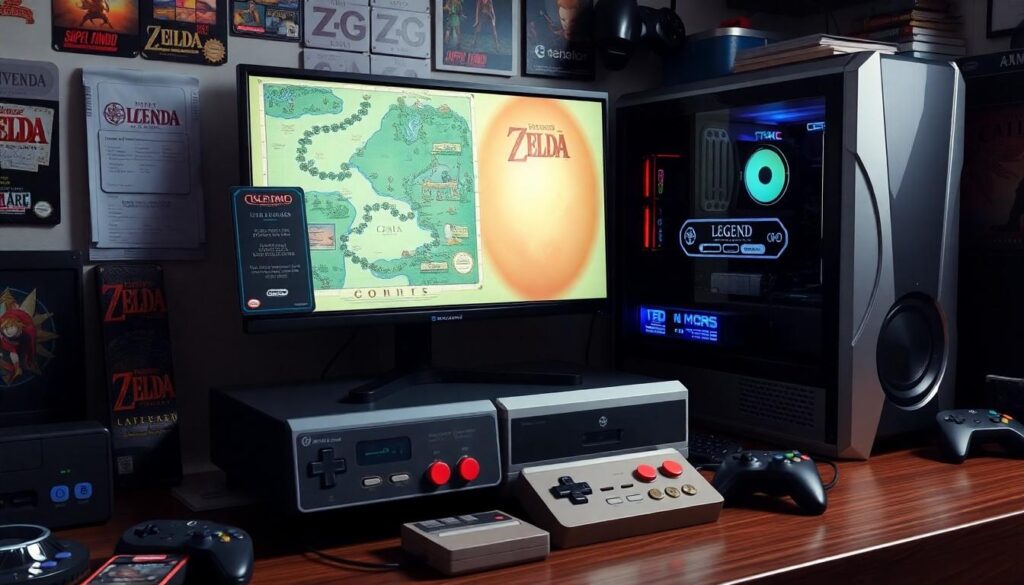
The potential for a PC version of The Legend of Zelda franchise generates significant interest. This iconic series has witnessed remarkable evolution since its debut in 1986.
Development and Release
Nintendo created the original game, melding action-adventure gameplay with intricate puzzle-solving elements. The development team, led by Shigeru Miyamoto, focused on world-building, exploring various concepts like interconnected dungeons and non-linear exploration. After launching on the Famicom, the game gained popularity, leading to numerous sequels and spin-offs across different platforms. Notable releases include The Legend of Zelda: Ocarina of Time, released in 1998, and The Legend of Zelda: Breath of the Wild, launched in 2017, both showcasing advancements in graphics and gameplay mechanics. These titles cemented the franchise’s status in the gaming community, and fans have eagerly anticipated the possibility of future installments on additional platforms, including PCs.
Fan Port and Emulation
Many fans have pursued unofficial ports to experience The Legend of Zelda on PC. Various projects, such as Ocarina of Time and Wind Waker, have emerged through dedicated fan efforts. These adaptations provide unique adaptations while preserving essential gameplay elements, delivering nostalgic experiences for players. Emulators have also gained popularity, enabling users to play classic Zelda titles on their computers easily. Popular emulator options include Cemu and Dolphin, which allow smooth gameplay and enhanced visuals. These fan initiatives amplify the community’s passion for the franchise, illustrating the ongoing engagement surrounding The Legend of Zelda.
Features of The Legend of Zelda PC
The prospect of The Legend of Zelda on PC excites many fans. This adaptation promises enhanced graphics and refined gameplay experiences.
Graphics and Design
A PC version features updated graphics that elevate visual fidelity. High-resolution textures improve character models and environments, providing a more immersive experience. Customization options enable players to tweak settings, achieving optimal performance on various hardware setups. With advancements, animations become smoother, capturing the fluidity of Link’s movements. Players benefit from modern display support, including widescreen resolutions, enhancing overall gameplay aesthetics. Enhanced lighting effects add depth to environments, making Hyrule more vibrant. Overall, this combination of design elements significantly enriches the visual storytelling of the franchise.
Gameplay Mechanics
Game mechanics in a PC version offer unique enhancements. Keyboard and mouse support introduces precision controls for combat and exploration. Enhanced user interfaces streamline inventory management, allowing players to switch items effortlessly. The ability to mod gameplay elements fosters creativity, enabling custom quests and character skins. Additionally, improved save features accommodate quick saving, contributing to a more flexible playstyle. Reimagined puzzle-solving mechanics often lead to innovative approaches, keeping long-time fans engaged. These enhancements collectively reshape how players experience The Legend of Zelda, blending nostalgia with modern gaming advancements.
Community Reception and Reviews
Community reception of The Legend of Zelda on PC generates enthusiasm among fans. Players express excitement about the potential to experience the series in a new format.
Player Feedback
Feedback from players often highlights nostalgia while embracing new opportunities. Many appreciate the chance to revisit classic titles like Ocarina of Time with improved graphics. Fans frequently mention enhanced control schemes and modern features that could elevate gameplay. Suggestions for modding capabilities appear regularly, allowing players to customize their experiences further. Discussions around compatibility focus on how it can broaden accessibility for newcomers. Players also express urgency for official releases, wanting to ensure developers recognize their interest.
Critic Reviews
Critics emphasize the cultural significance of The Legend of Zelda franchise. Reviews often note how the series has set benchmarks for game design and storytelling. They appreciate past innovations, such as open-world exploration and character development. Critics also acknowledge the challenges that a PC adaptation could face, including balancing technical enhancements with the original magic. Many suggest that a well-executed port could draw in both veteran players and newcomers. Reviews frequently underline the potential market impact, especially with a devoted fanbase ready to embrace diverse platforms.
Comparison to Original Console Versions
The transition of The Legend of Zelda to PC reveals notable differences from original console versions. Enhanced graphics show clear improvements, offering high-resolution textures and detailed character models. Players experience worlds with more vivid colors and greater depth, transforming iconic locations into visually stunning environments.
Gameplay mechanics also differ significantly in a PC adaptation. Keyboard and mouse controls provide precision that appeals to many players. Customizable controls allow individuals to tailor their gaming experiences, catering to personal preferences that consoles may not fulfill.
Modding capabilities further distinguish the potential PC version. Enthusiasts can create and share their content, leading to endless possibilities for extending gameplay. This fosters a sense of community that thrives on creativity, which often feels limited in original console formats.
Emulation efforts showcase how PC adaptations can capture the essence of original titles. Projects like Cemu and Dolphin enable players to enjoy classics with improved performance. These unofficial adaptations also highlight the community’s dedication, proving that fans drive interest in a PC version.
Accessibility marks another advantage for PC players. The ability to play across diverse devices can invite newcomers who may find consoles less approachable. Custom displays and resolutions improve the overall user experience, allowing more players to appreciate Link’s adventures.
Overall, comparisons illustrate how a PC version not only enhances visuals and gameplay but also encourages community engagement. Players enjoy the blend of nostalgia with modern advancements, anticipating a richer experience than what the original console versions could provide.
Conclusion
The potential for The Legend of Zelda to make its way to PC is an exciting prospect for fans and gamers alike. Enhanced graphics and refined gameplay mechanics promise to breathe new life into a beloved franchise while maintaining its original charm.
As the community eagerly anticipates this adaptation, the blend of nostalgia and modern advancements could reshape how players experience Link’s adventures. With the possibility of improved accessibility and community engagement through modding, a PC version could not only attract longtime fans but also welcome newcomers into the enchanting world of Hyrule.